JAC studios, Dark Matters, and Fortheloveoflight have developed a new interpretive experience for the recently restored Court Theatre in Christiansborg.
From Memorial Room to Living Stage
When the Theatre Museum moved into the building in 1922, it did so on the condition that the space would no longer function as a theatre. The stage became a museum, and the walls were filled with portraits of deceased actors, “memorial rooms,” as Peter Christensen Teilmann, museum director calls them.
Today the interior is protected, and the portraits are gone. In return, performances are once again allowed though with care.
The project has been conceived as a cohesive spatial, sensory, and narrative whole, where architecture, light, sound, and staging work together across disciplines. Created through a close collaboration between JAC studios, Dark Matters, and Fortheloveoflight, the work takes the Court Theatre’s protected architecture and distinctive historical character as its point of departure.
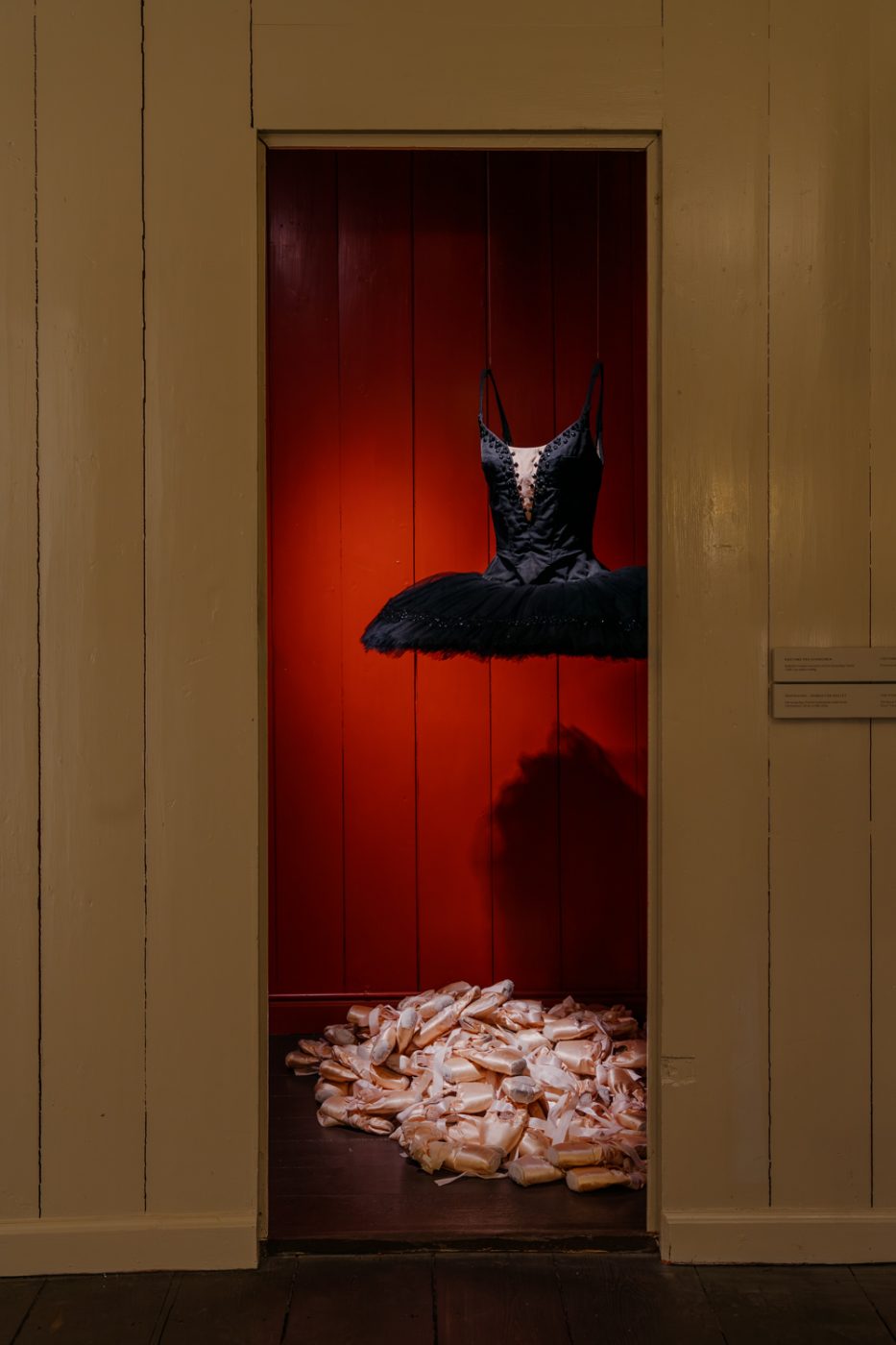
The interpretation is based on a simple premise: the Court Theatre is not only the setting for the exhibition, but also the subject itself. The building’s rooms, surfaces, traces, and theatrical logic act as the primary storytellers. All new elements have therefore been developed with careful consideration for the site’s architectural integrity. The exhibition architecture consists of freestanding elements and interventions designed to respond to the space without dominating it.
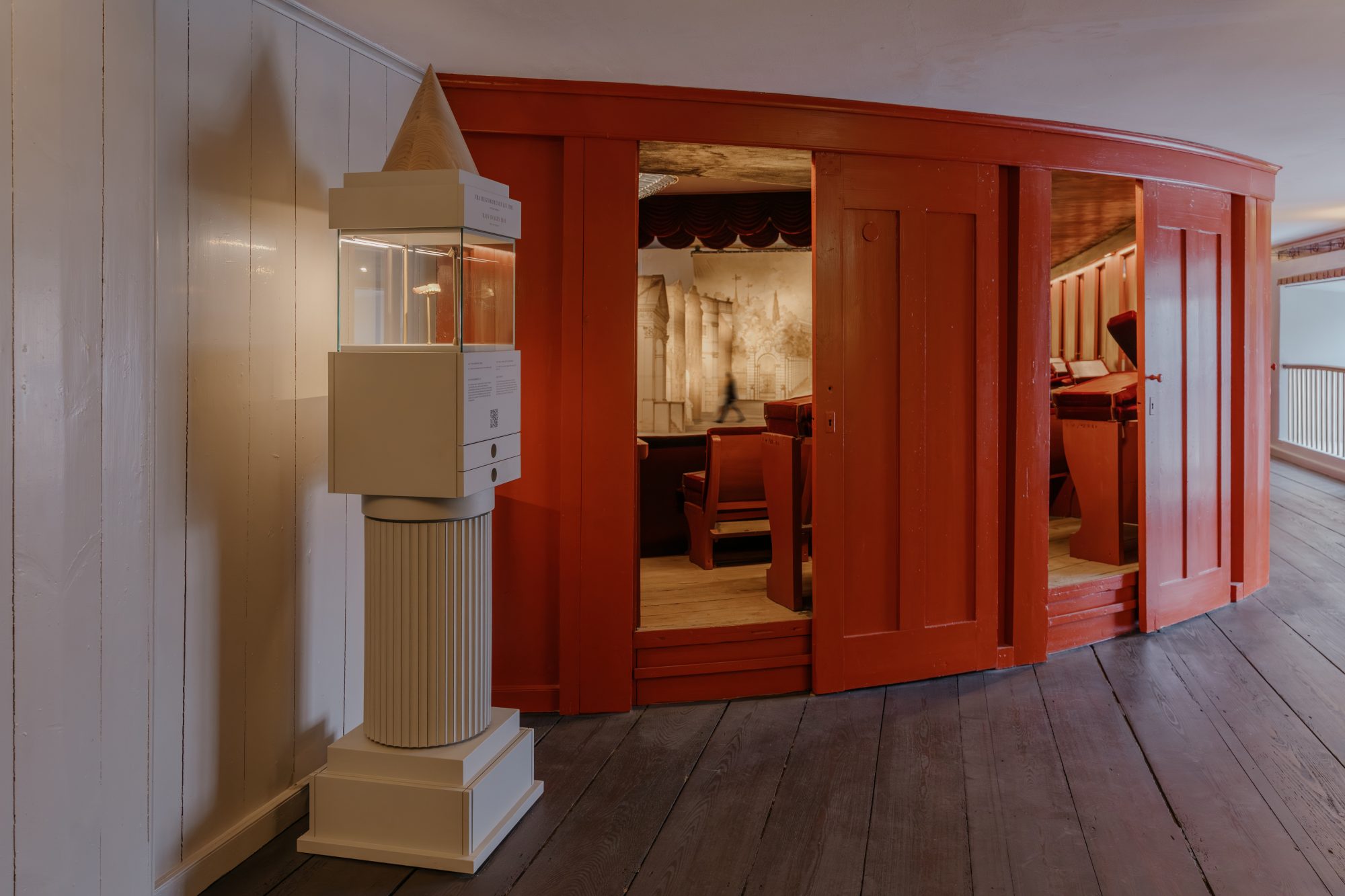
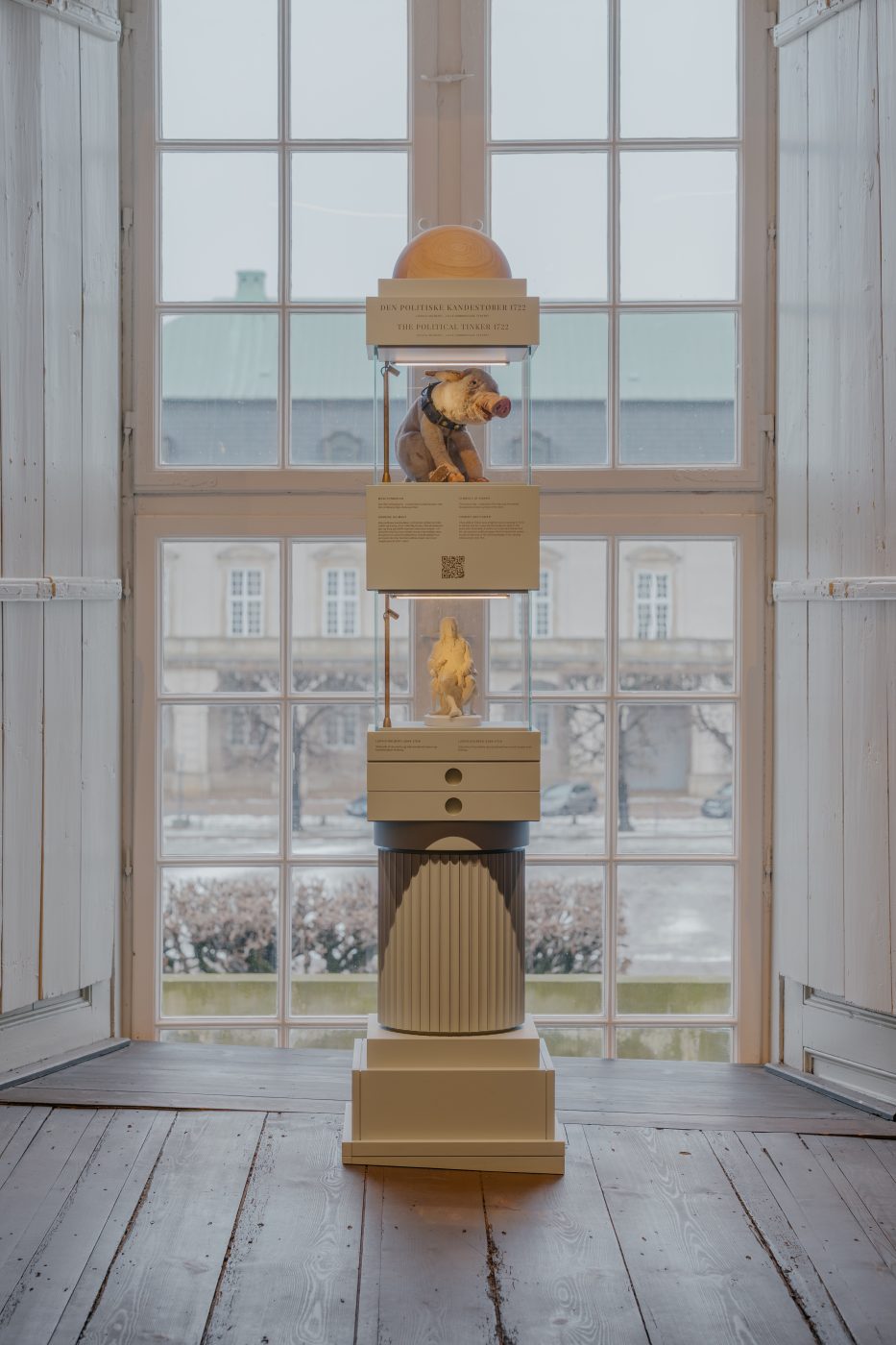
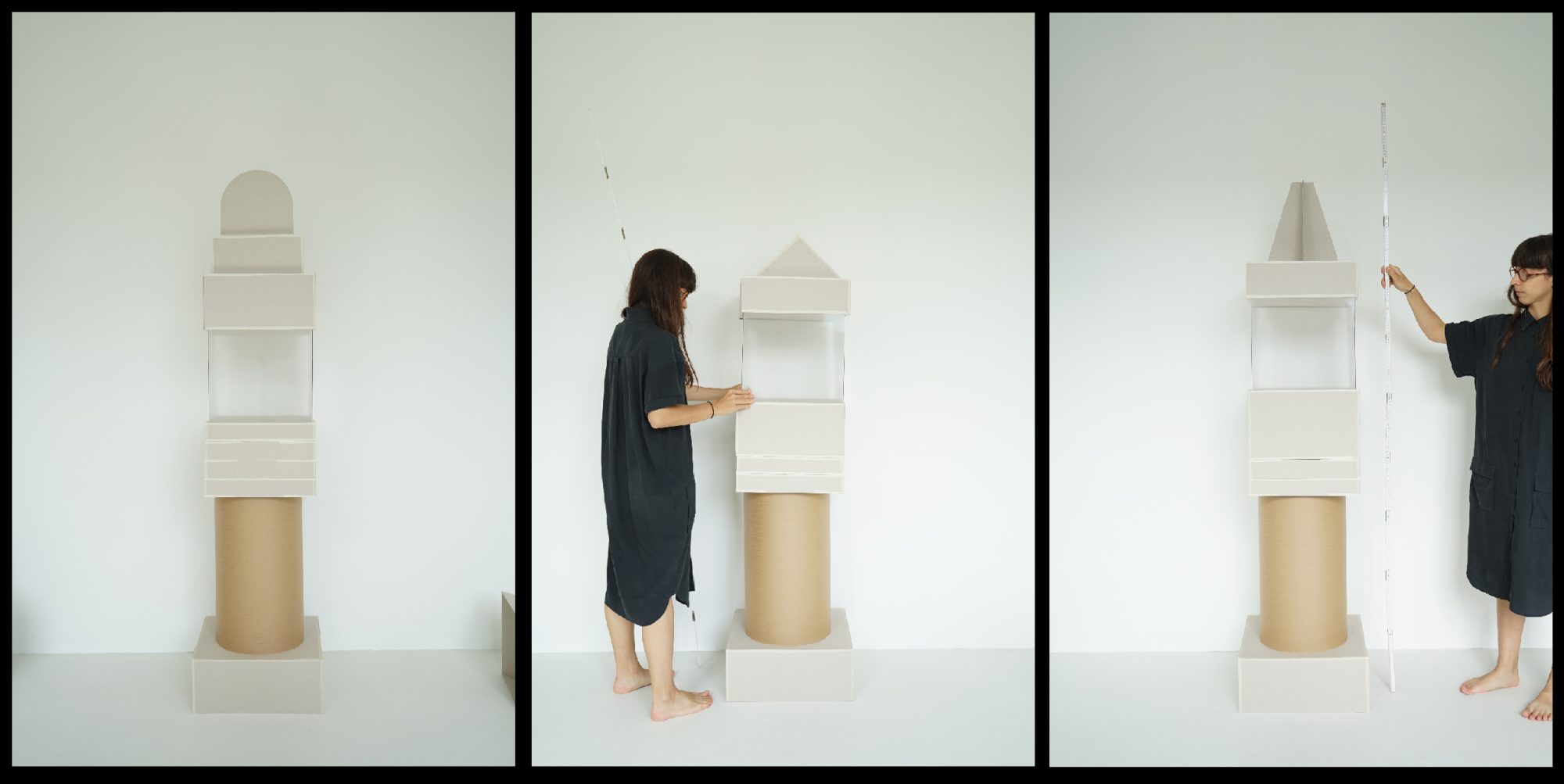
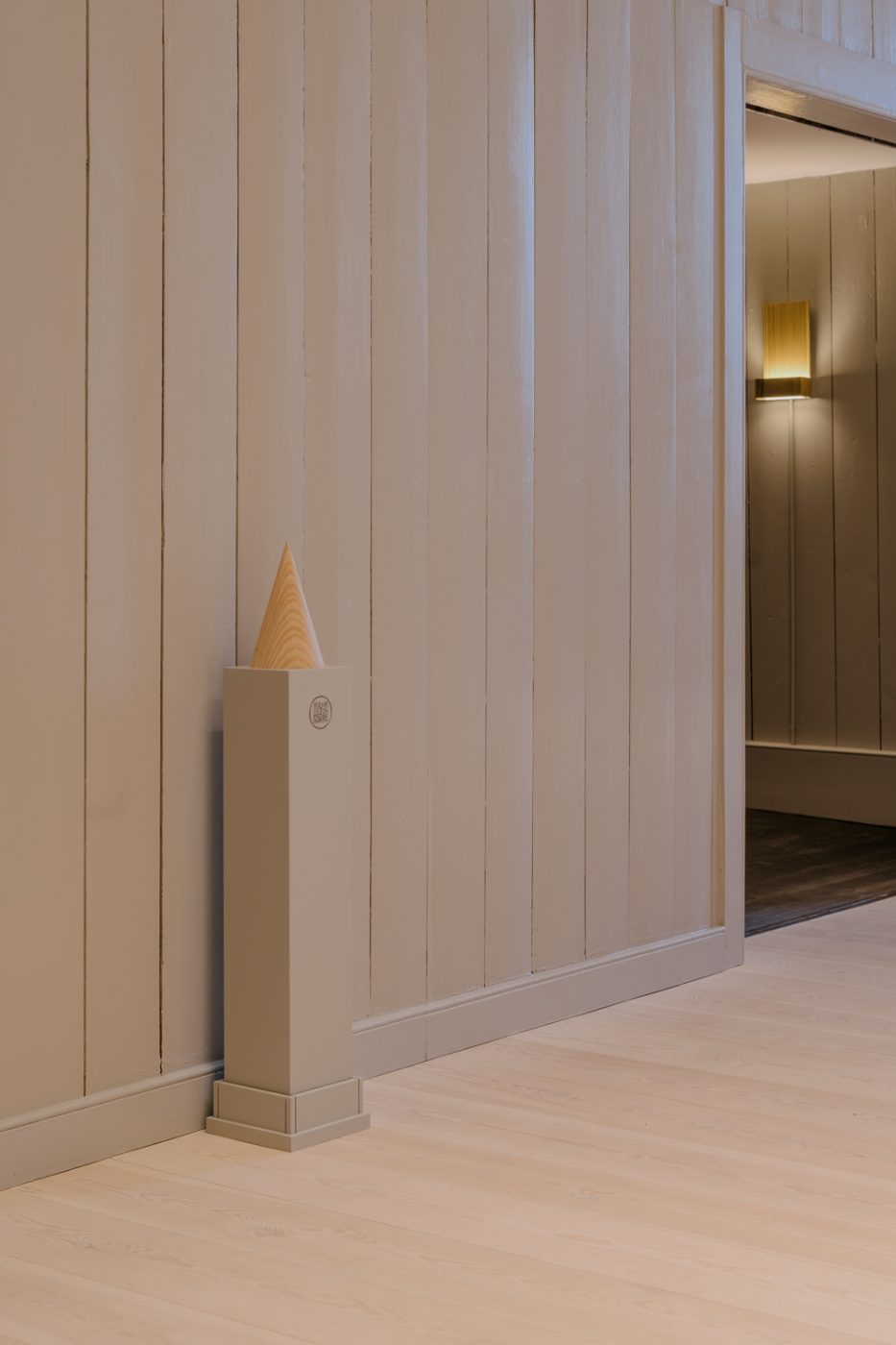
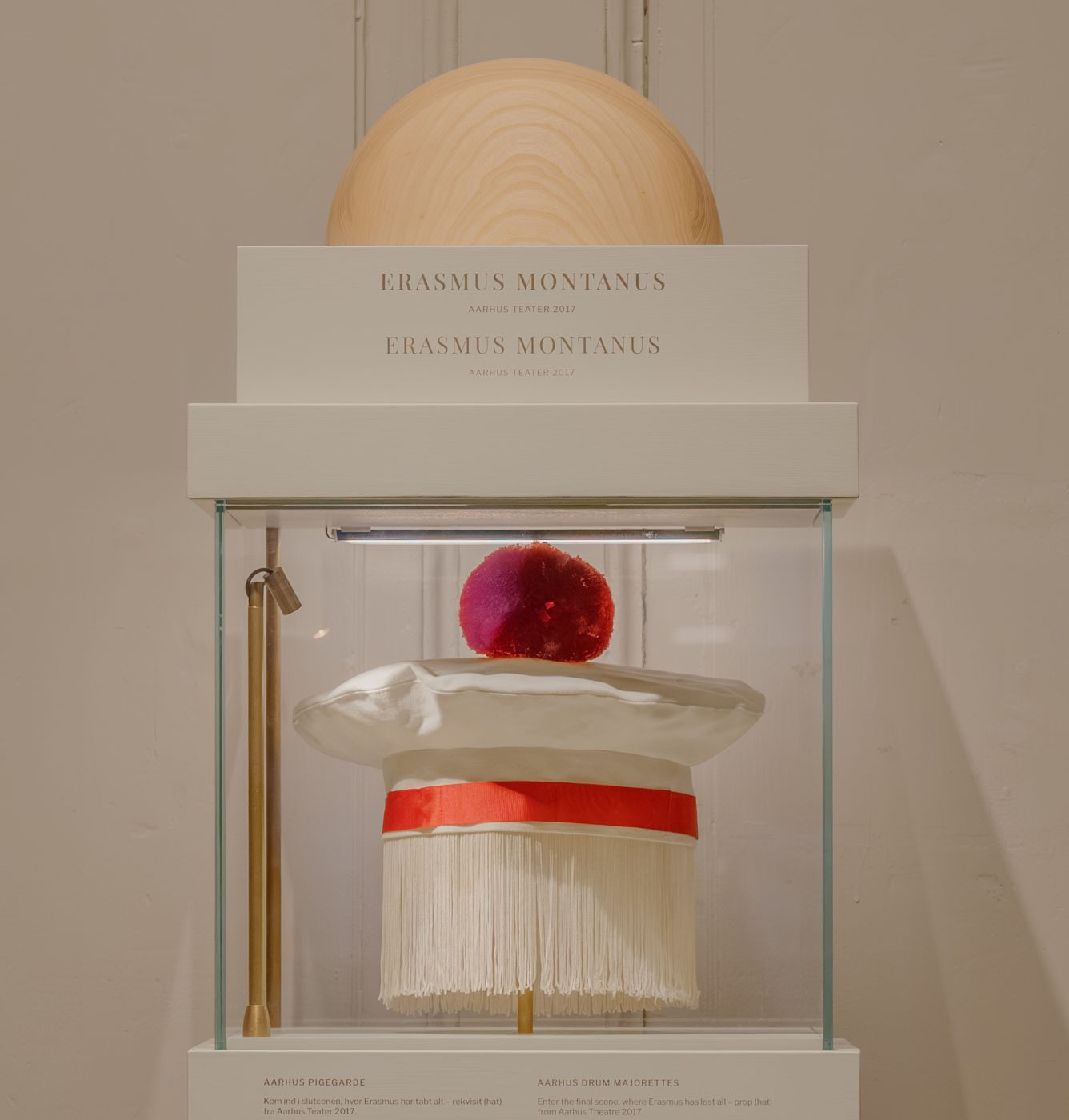
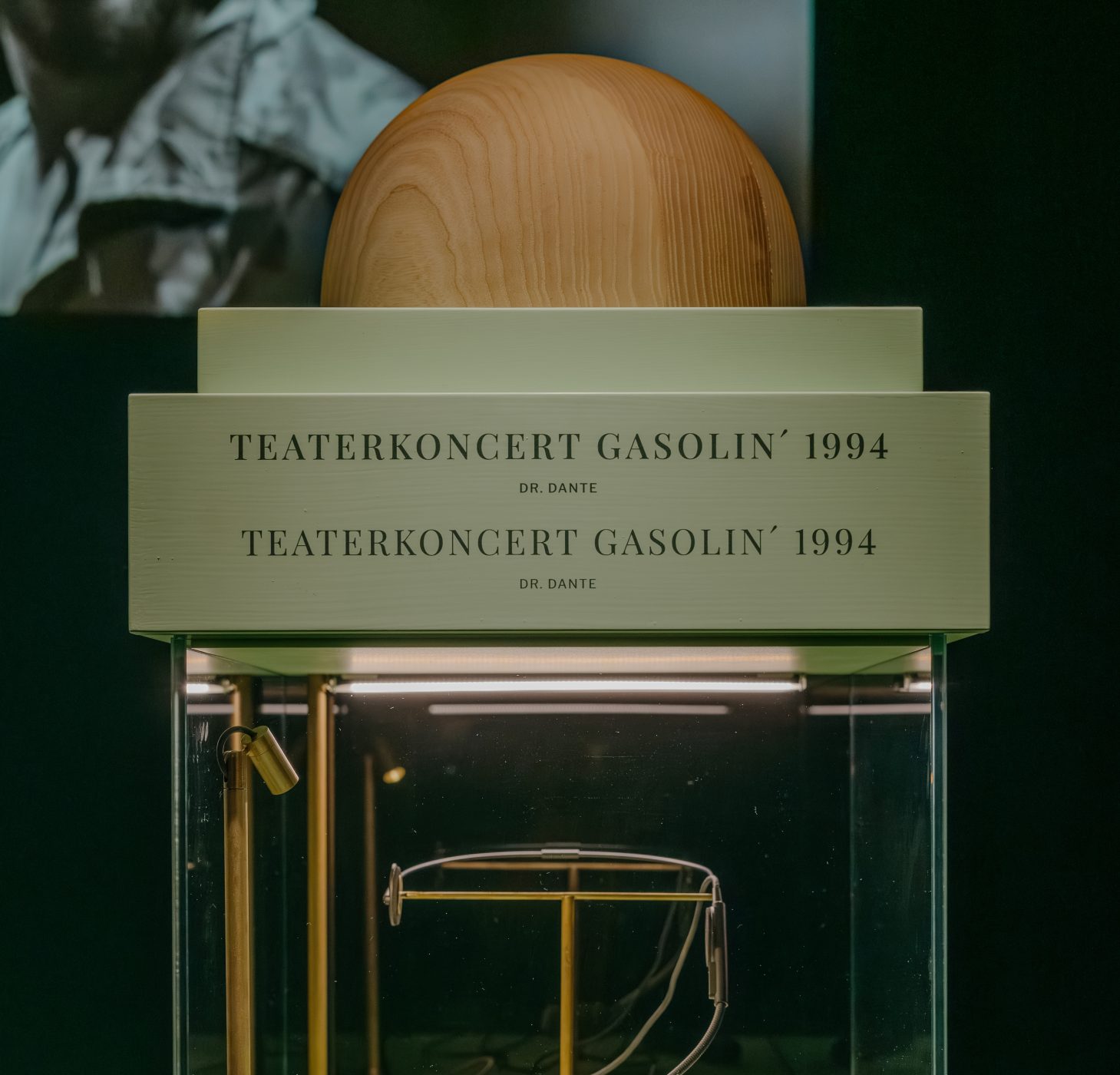
The visitor experience unfolds through a series of site-specific installations. Dramatised audio narratives in the theatre boxes, auditorium, and stage space invite visitors into the social and cultural life of the Court Theatre, bringing its history to life through spatial sound and staging. Throughout the theatre, visitors encounter the so-called actors interpretive stations presenting iconic works from Danish performing arts. These are designed as distinctive objects that function both individually and as part of a larger scenographic ensemble.
Lighting plays a central role in the project. A newly designed chandelier combines historical references with contemporary stage technology. It functions both as stage lighting and as a spatial element in the room, balancing practical function with atmosphere. Together with a flexible new lighting and sound setup, it allows the Court Theatre to operate both as a museum and as an active performance space.
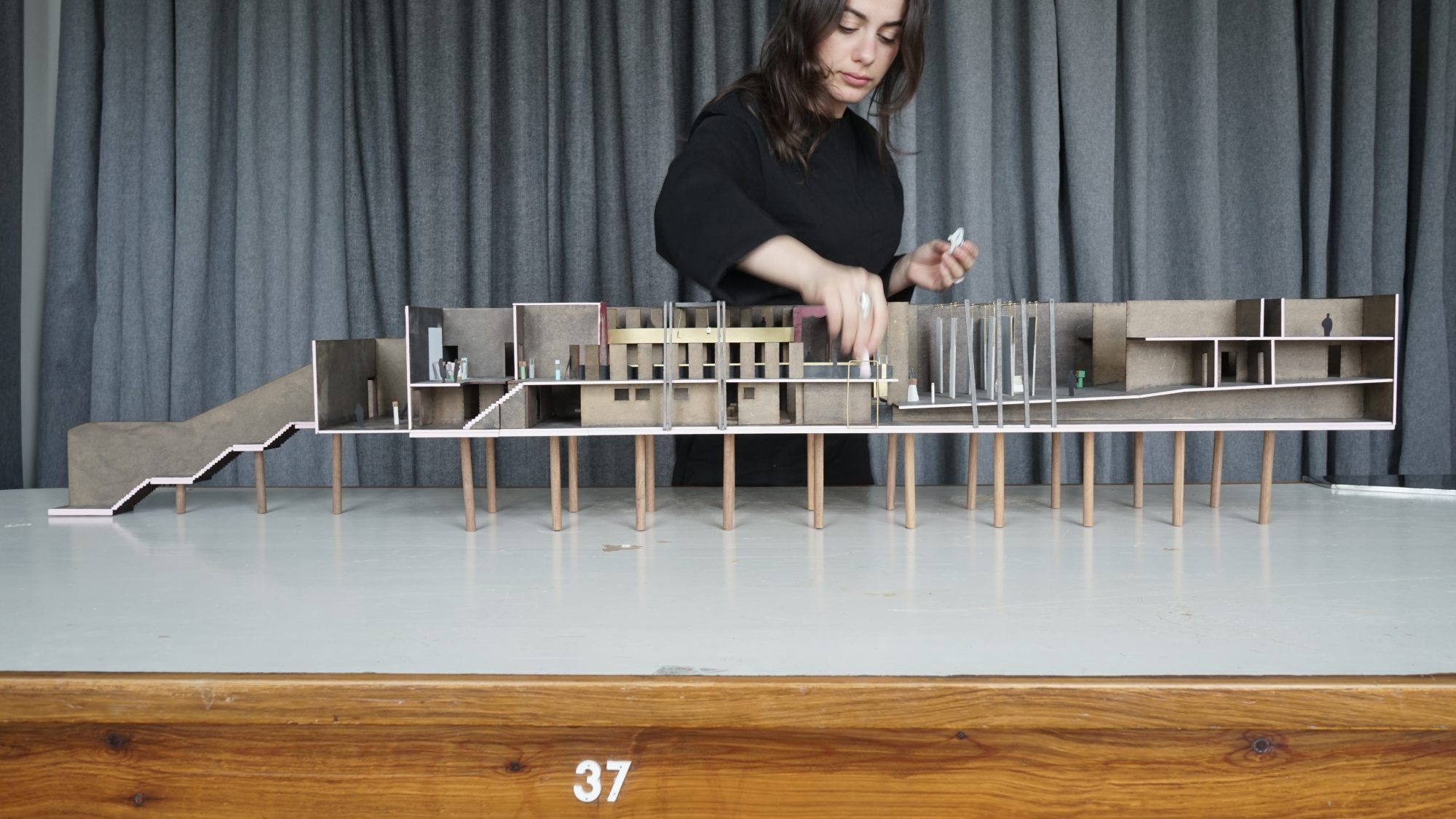
The exhibition feautres a detailed architectural model that provides insight into the theatre’s structure, stage machinery, and historical transformations. A digital platform expands the experience with film, sound, and reflections from contemporary cultural figures. In addition, a play-it-yourself theatre invites visitors to participate physically, highlighting the theatre as a living, performative space.